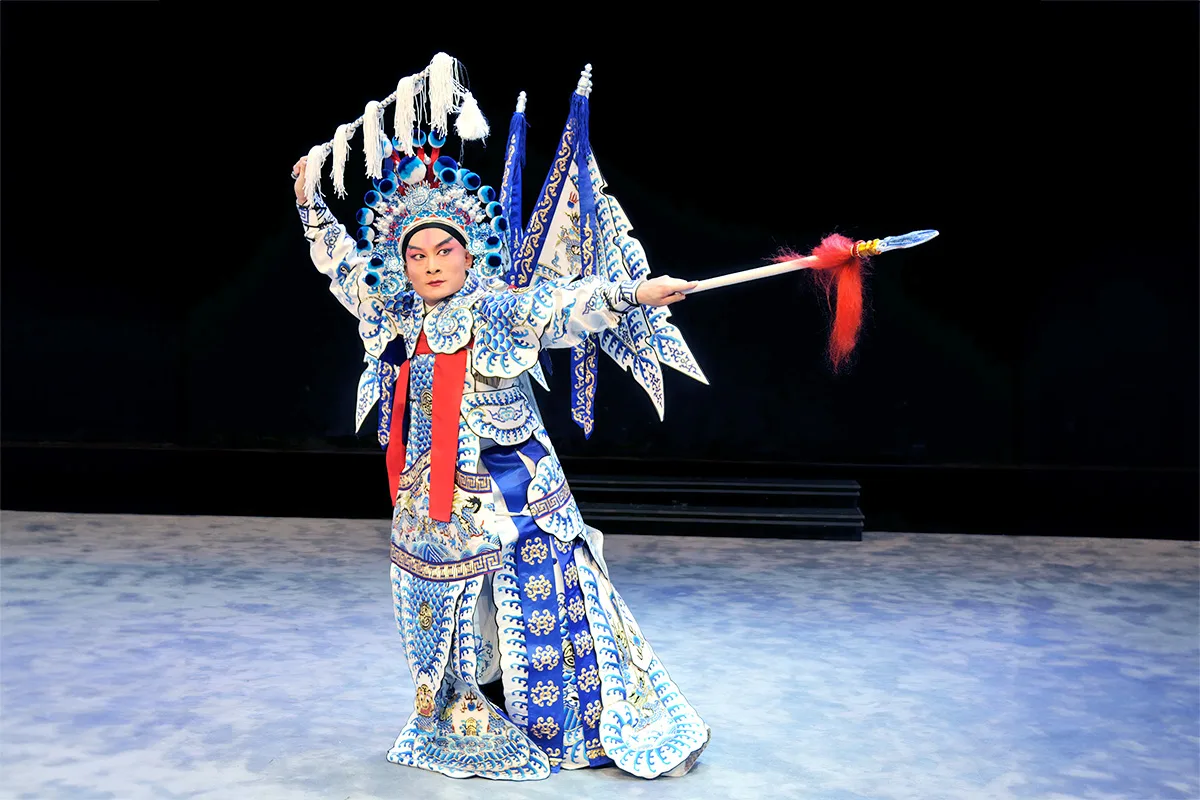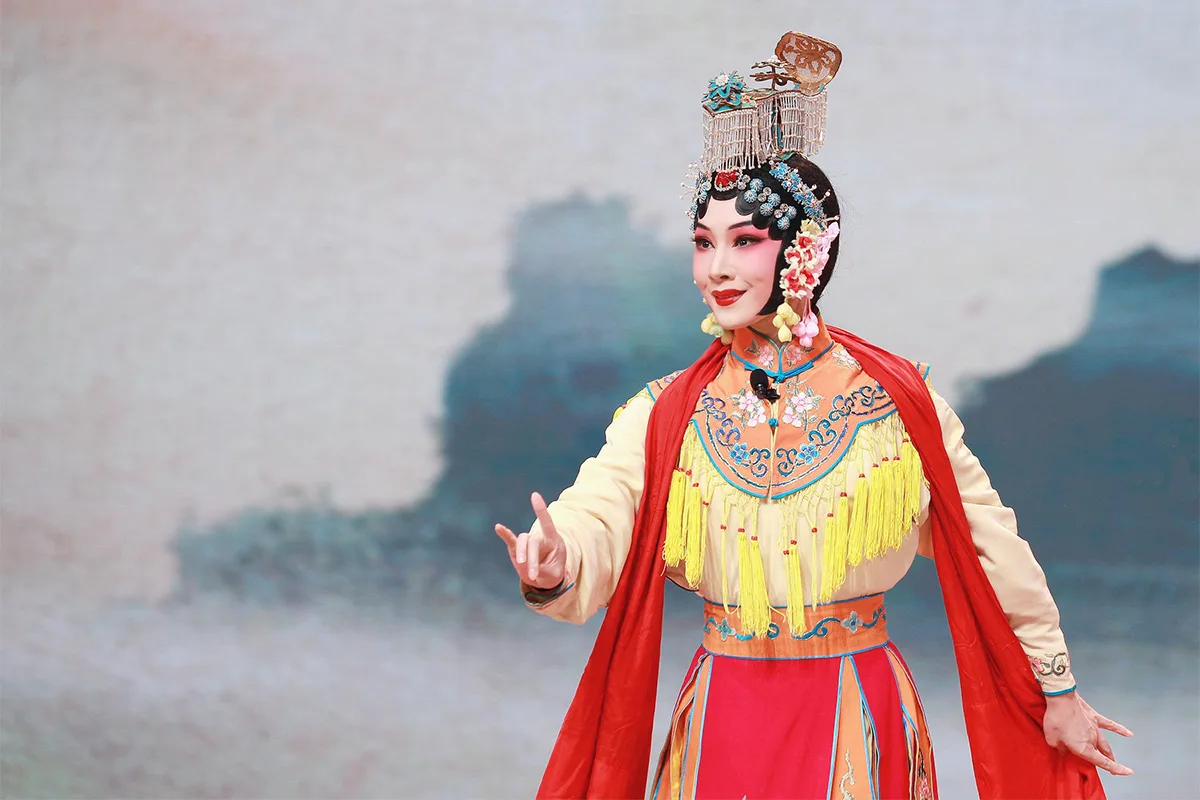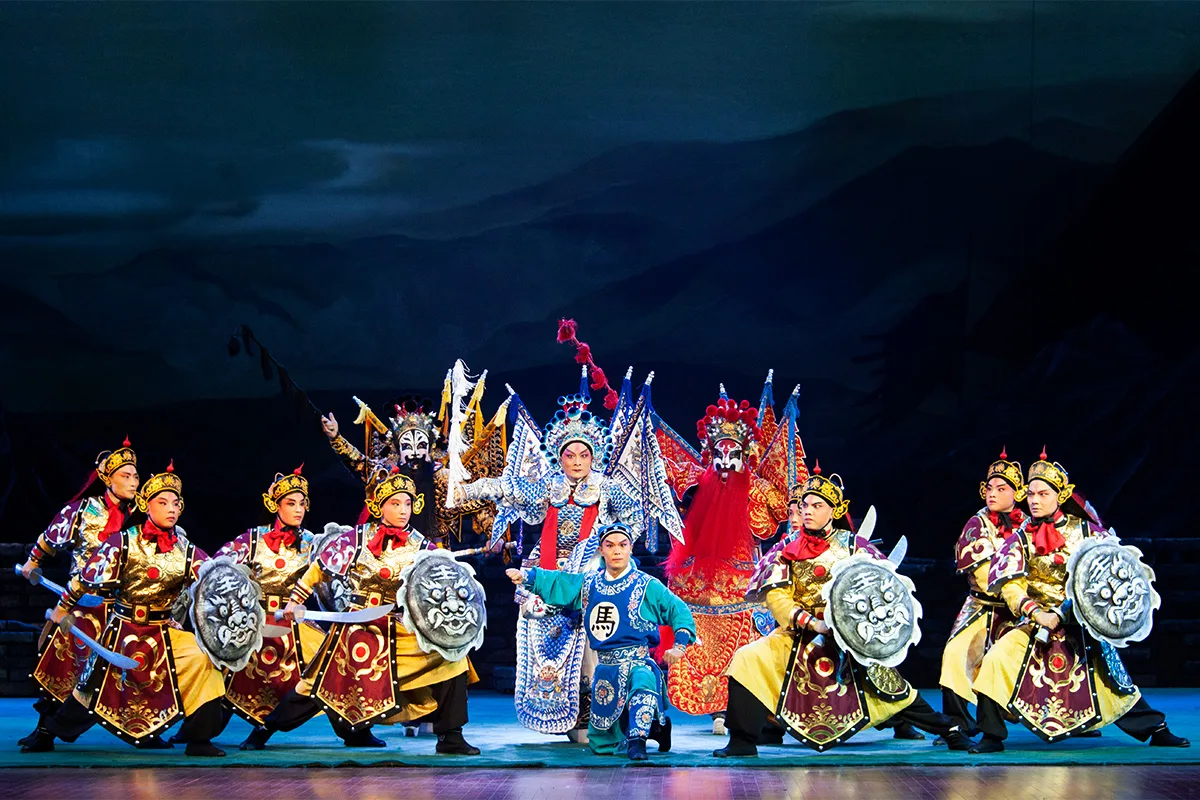


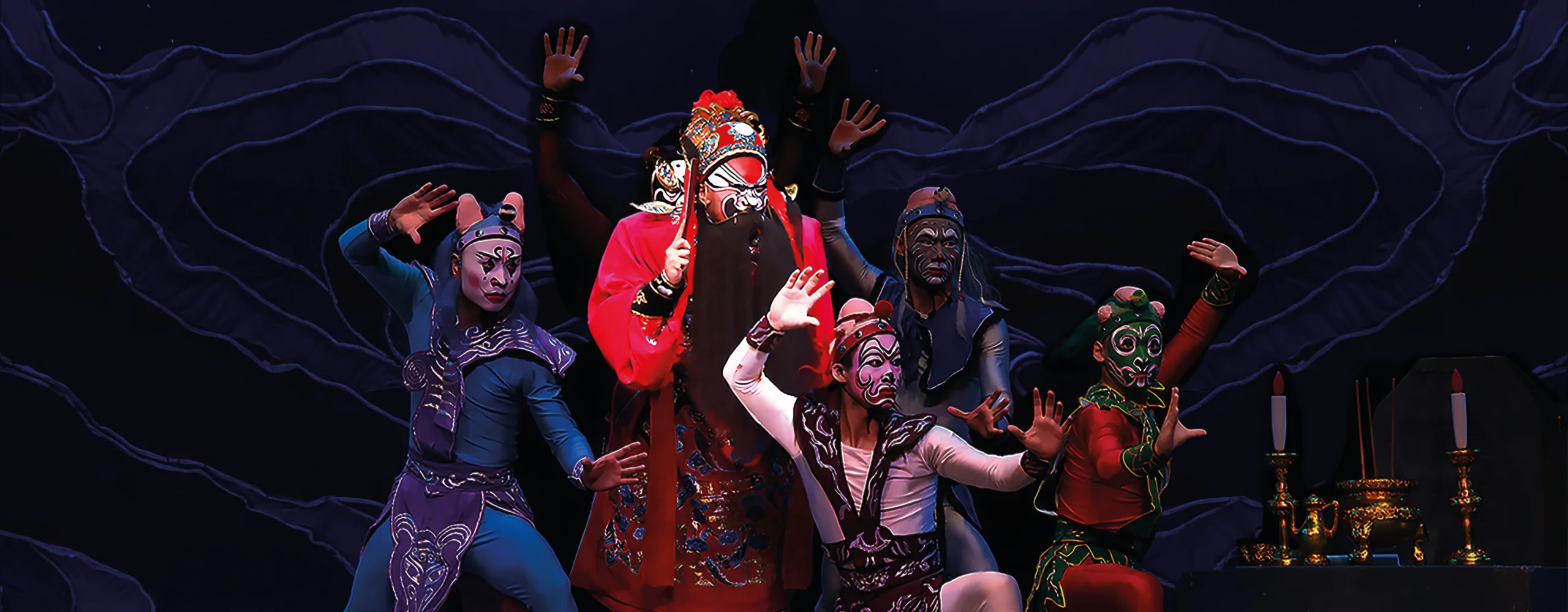
One of the most expressive regional opera genres of Hebei Province is its Bangzi Opera, known for its impassioned intensity, soaring vocal lines, and richly varied stylised movements. The Hebei Bangzi Opera Theatre of Hebei Province returns to Hong Kong with a stellar line-up of Plum Blossom Award winners, four of whom will lead the cast in Zhong Kui the Ghosteater, a signature production and perennial favourite since its premiere in the 1980s. The Magic Lotus Lantern is a mythological drama that culminates in the climactic close, when the son axes open the mountain to rescue his celestial mother. Crossing dimensions of mortals, spirits, and celestials, the performance presents highly challenging martial art techniques enhanced by delicate dance movements. A dedicated programme of excerpts further showcases the vitality and living legacy of Hebei Bangzi Opera.
Hebei Bangzi Opera
Hebei Bangzi Opera took shape around the late Qing dynasty, first building on Shanxi and Shaanxi Bangzi Opera, then developed its own distinctive northern style through assimilating Hebei dialects and folk arts, elements from Peking Opera and Kunqu Opera. It was popular across the Beijing–Tianjin–Hebei region. The genre was historically known by several names, including Jing Bangzi, Wei Bangzi, and Zhili Bangzi. In 2006, Hebei Bangzi Opera was inscribed onto China’s National List of Intangible Cultural Heritage. The vocal style is powerful and impassioned, characterised by a high register and the combined use of natural and falsetto voices, giving the singing a bold and penetrating tone. The music is led by the banhu (a high-pitched bowed string instrument), while wooden clappers mark the rhythm with bright, resonant beats. Its musical patterns are varied and dynamic. Performance style is direct and vigorous. Civil plays are marked by strong emotional expression, while martial plays are energetic and spectacular, often incorporating demanding acrobatic techniques to heighten dramatic tension. With its distinctive vocal power, rhythmic vitality and expressive stagecraft, Hebei Bangzi Opera remains one of the most representative regional opera genres of Hebei Province.
Programme Details
24/7 7:30pm
Zhong Kui the Ghosteater
Main Cast: Wu Guiyun, Hao Shichao, Sun Na, Qiu Ruide, An Shuancheng
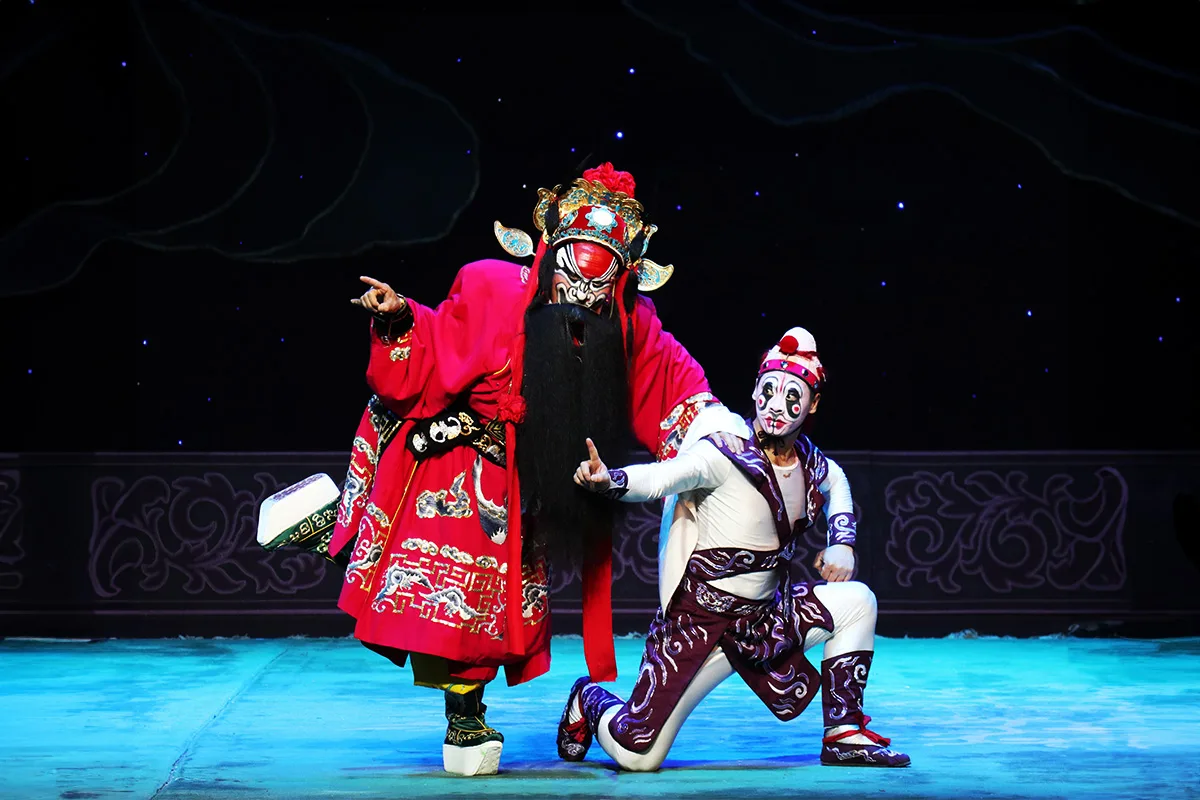
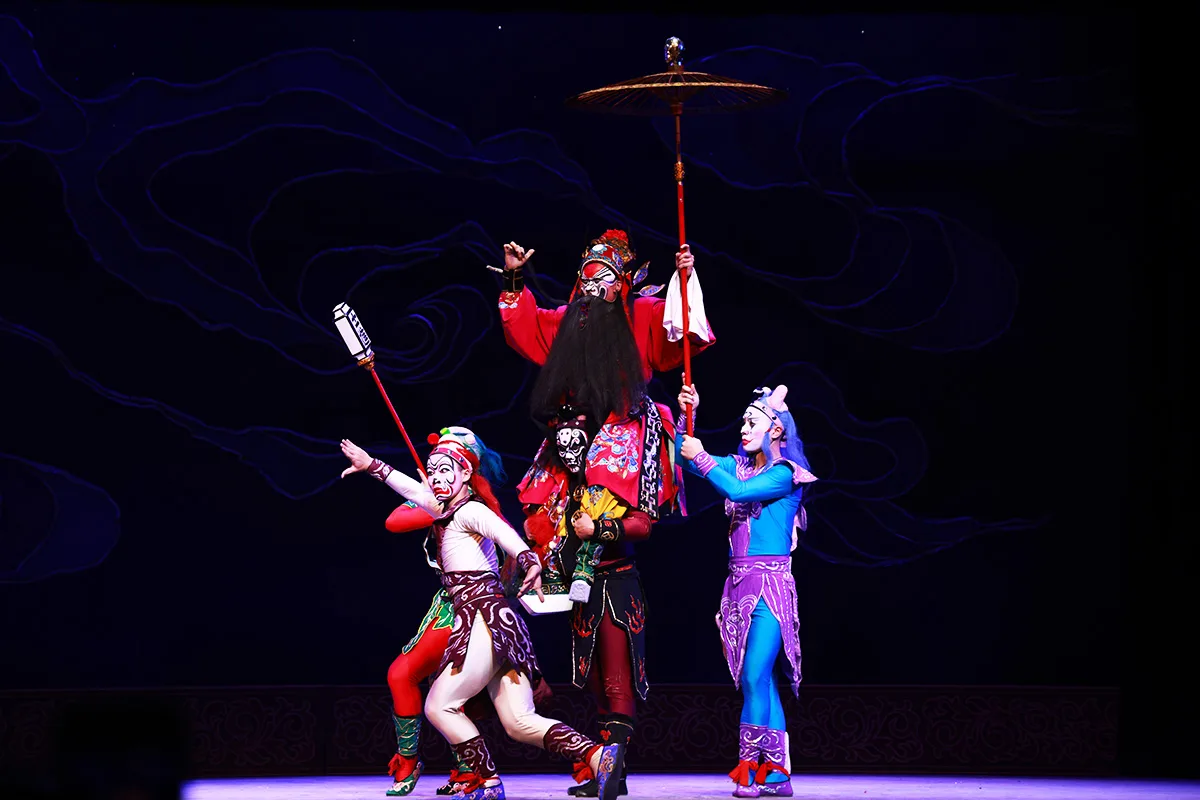
Zhong Kui the Ghosteater was created by the Hebei Bangzi Opera Theatre of Hebei Province in the 1980s. The story is based on the folk tale of Zhong Kui, an upright scholar who died in protest of corruption in the imperial examinations, and was appointed in the underworld as the divine catcher of demons. It has been performed more than 2,000 times in China and abroad since its premiere. This performance features four Plum Blossom Award winners in lead roles, including Wu Guiyun, in a rare female wusheng (martial male) interpretation, who combines elegant scholarly bearing with resolute strength; and Hao Shichao, who integrates the expressive features of young male, martial male and painted-face roles. The production is notable for its transformation of role types — from young scholar to painted-face hero — mirroring Zhong Kui’s journey from man to spirit and deity. Hebei Bangzi Opera’s musical style blends Kunqu and Bangzi elements, while the staging incorporates dance and demanding acrobatic feats, showcasing the genre’s distinctive theatrical vitality.
25/7 7:30pm
The Magic Lotus Lantern
Main Cast: Sun Na, Hao Shichao, Qiu Ruide, An Shuancheng
First staged in 1960, The Magic Lotus Lantern is another celebrated classic of the Hebei Bangzi Opera repertoire. The story goes like this: the Goddess of Mount Hua falls in love with the mortal Liu Yanchang. After they get married, she gives birth to a son, Chenxiang. Her brother God Erlang suppresses her under Mount Hua. When Chenxiang grows up, he axes the mountain open and rescues his mother, thus reuniting the family. The production draws upon folk legends, drama and dance drama, and the stage choreography integrates ribbon dance, fan dance and peacock dance into the martial movements. Masterly skills such as spinning leaps, spear kicks, backflips, and many more make captivating sights. As for the music, it moves beyond traditional Bangzi Opera rhythmic patterns and introduces Kunqu tunes, folk songs as well as choral elements inspired by Gan Opera. Combining powerful singing with thrilling combat sequences, The Magic Lotus Lantern has remained a favourite with audiences for over six decades.
26/7 2:30pm
Excerpts
Crying at the City Wall from North and South Make Peace
Main Cast: Wu Guiyun, Zhao Xuan, Zhao Ke
The Hu Homestead
Main Cast: Zhang Jingyue, An Shuancheng, Qi Zengchao
On the Execution Ground from The Injustice Done to Dou E
Main Cast: Sun Na, Wang Ping, Zhang Bin
The Bloody Battle at Waqiao from Waqiao Pass
Main Cast: Hao Shichao, Sun Na, Qiu Ruide
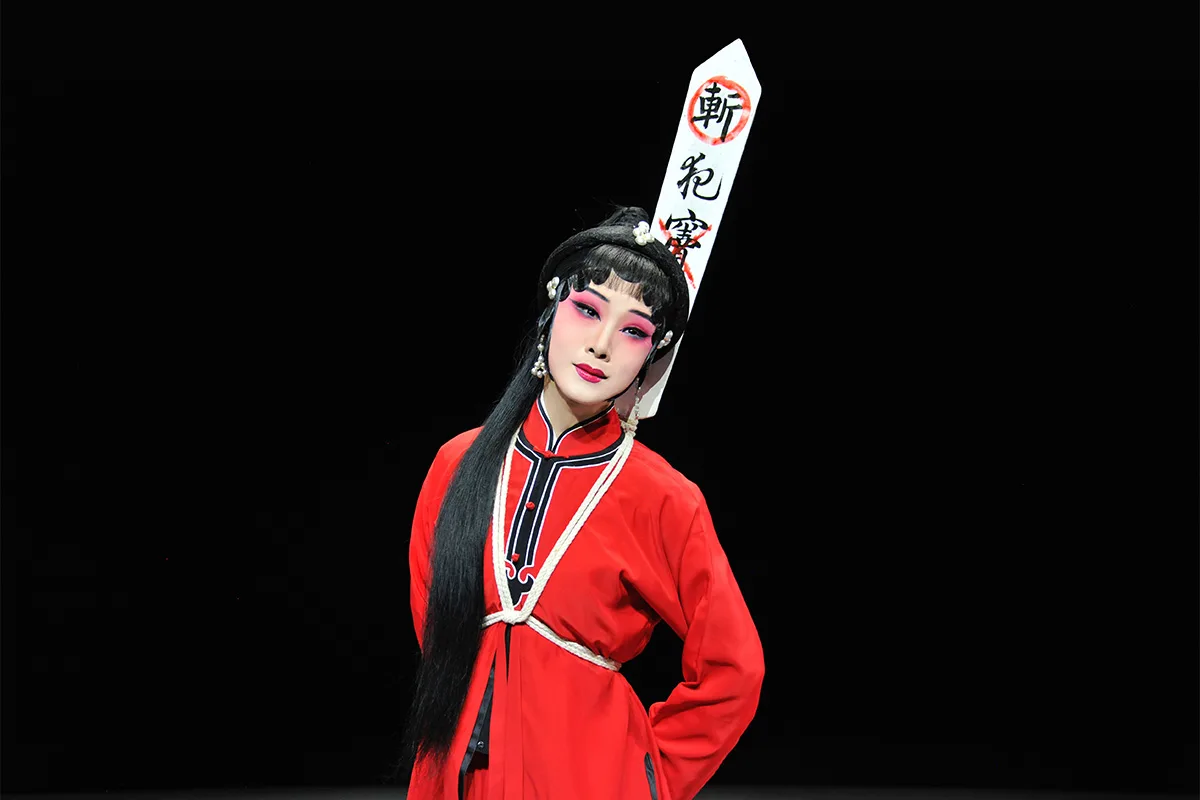
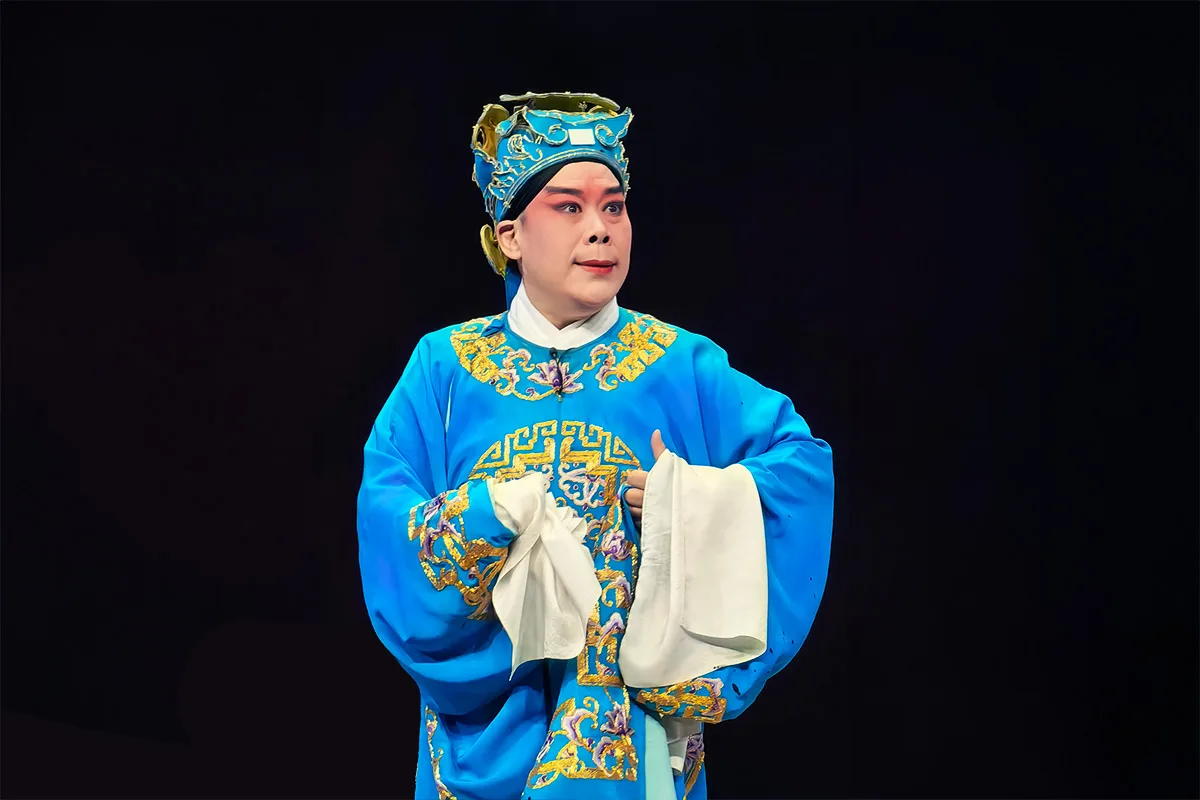
This selection of excerpts from Hebei Bangzi Opera showcases a variety of vocal styles, martial arts choreography, masterful acrobatic techniques, and consummate acting in dramatic scenes. Crying at the City Wall from North and South Make Peace tells how the captive Yang Yanshun crosses battle lines to visit his mother. Torn between loyalty to his country and lial devotion, he expresses his anguish in heartrending singing and formulaic routines. In The Hu Homestead, the heroine Hu Sanniang engages in a fierce close combat with the Liangshan outlaws. The role of the female warrior displays a distinctive blend of grace and strength. On the Execution Ground from The Injustice Done to Dou E highlights Hebei Bangzi Opera’s expressive vocal style. With her arms tied up and restrained, Dou E relies solely on singing, facial expression and limited movement to proclaim her innocence, her lament conveying overwhelming grief and injustice. The Bloody Battle at Waqiao from Waqiao Pass is a dazzling display of martial choreography.

.webp)